


Ford Sent Five Stock Vehicles Up the World's Highest Active Volcano to Support a Record-Breaking Marathon
Ford Sent Five Stock Vehicles Up the World's Highest Active Volcano to Support a Record-Breaking Marathon

Saajan JogiaSat, July 18, 2026 at 6:50 PM UTC
0
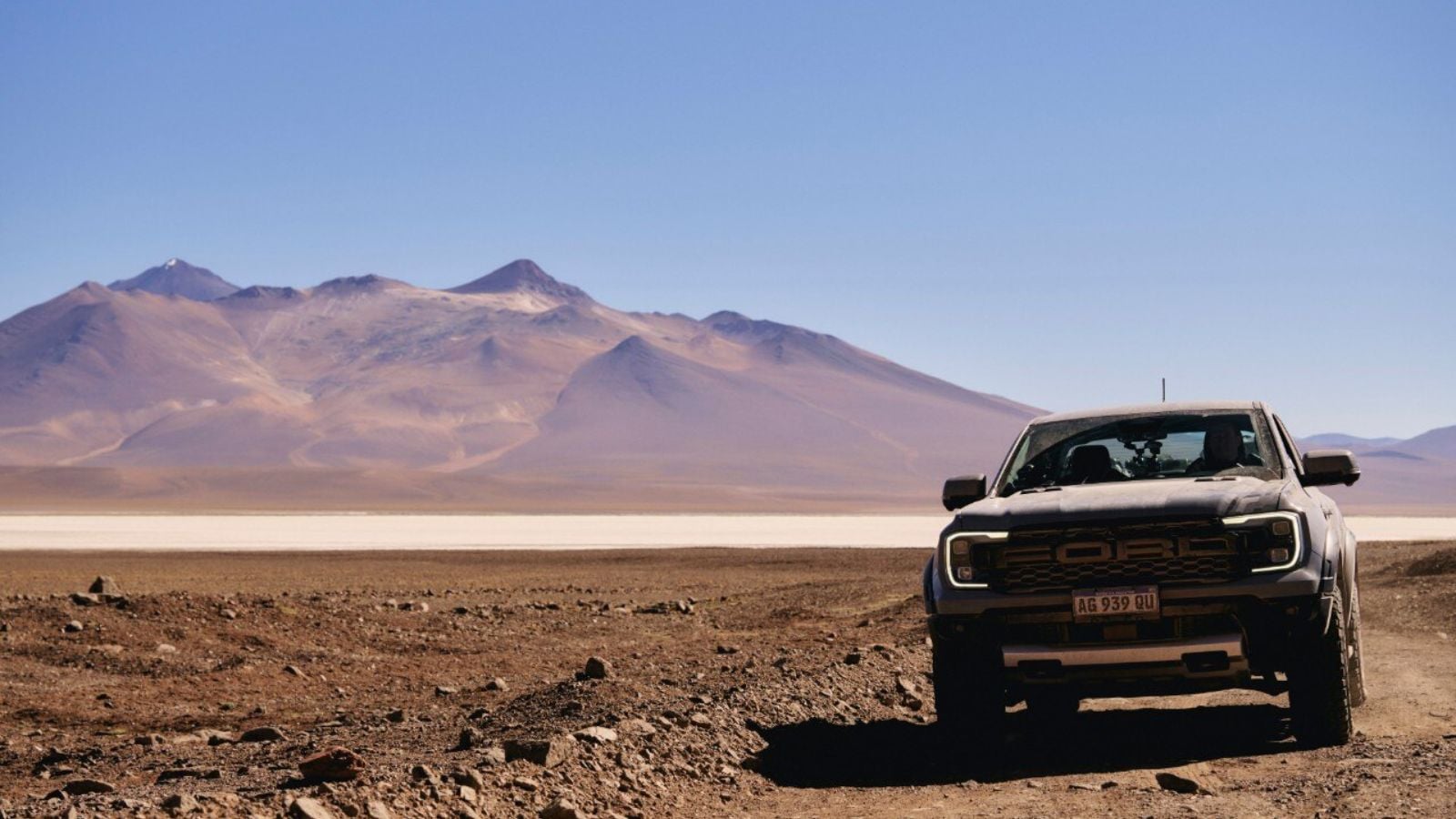
Image Credit: Ford
Ford has taken car testing to the next level by sending five vehicles up Chile's highest active volcano, just to see how they fare in a cold, rocky environment that is low on oxygen.
The American automaker mentioned that it uses its climate-controlled chamber in Dearborn, where it replicates the thin air of a 12,000-foot mountain pass under varying ambient temperature conditions.
It also tests vehicles in Summit County, Colorado, home to some of North America's highest paved roads at elevations of up to 14,000 feet, to ensure those vehicles perform without a hiccup.
Ford, however, pushed its vehicles beyond their usual testing limits by supporting a Guinness World Record attempt for the world's highest marathon. The vehicles transported runners, equipment, and support crews up Ojos del Salado before the descent to sea level.
How Ford Pushed Its Vehicles Beyond the Limit
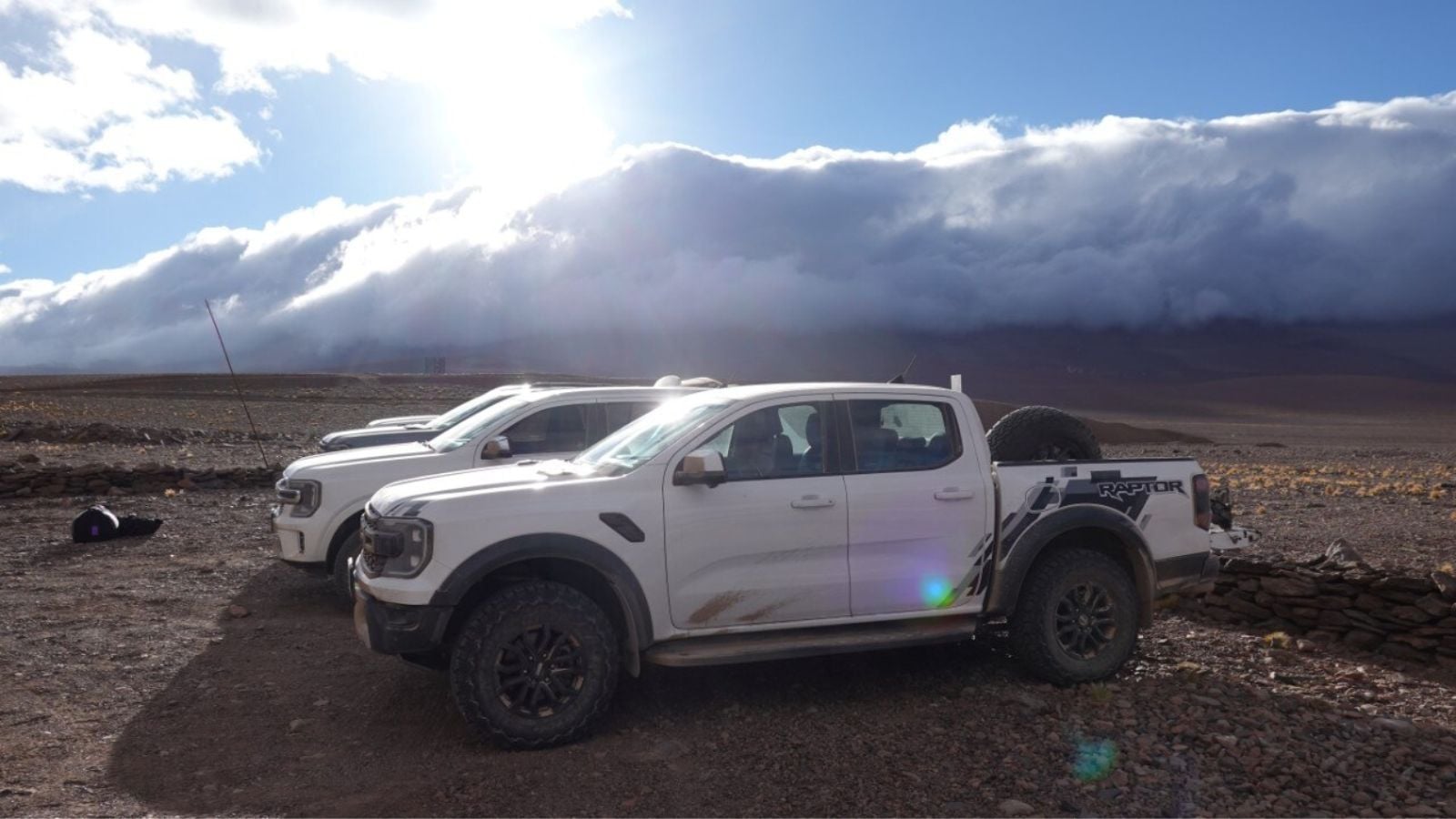
Image Credit: Ford
Ford's testing in North America typically reaches elevations of about 14,000 feet. However, after reviewing test data from Colorado and similar vehicle testing in China's Tibet region at altitudes of nearly 19,000 feet, the engineers were confident the vehicles could handle the extreme conditions. Their analysis also showed the vehicles' systems would continue operating within their intended limits.
Advertisement
But even so, the data available was limited, so to further verify the vehicles' performance, Ford installed a data recorder in one of the vehicles and had a local team in Chile drive the route in advance. The data confirmed the vehicles could handle the extreme conditions and reliably support the expedition.
Despite encouraging test data, Ford could not predict the harsh weather or extreme conditions on the mountain. Engineers had to trust the vehicles would perform when it mattered most, as any failure could have left marathon runners stranded. When the data was finally retrieved after the expedition, it showed the vehicles performed exactly as expected, even at altitudes far beyond Ford's official testing grounds.
Throughout the marathon support mission, the Ford Expedition, Ranger Raptor, and Everest were repeatedly cold-started after overnight stays at a base camp 14,200 feet above sea level, with every vehicle starting without issue. The team later started all three models at elevations of up to 19,400 feet, again without any problems.
The Ranger Raptor was used to scout the marathon route and transport personnel, climbing to around 19,400 feet over three days. It tackled steep, sandy slopes of up to 30%, reaching peak altitude without issue. On the other hand, the Expedition Tremor with a 3.5-liter EcoBoost engine climbed to almost 19,000 feet.
According to Ford, the results showcased the strength of the EcoBoost engine and the engineering behind it. Unlike naturally aspirated engines, which lose about 3% of their power for every 1,000 feet of elevation gained, the turbocharged EcoBoost compresses thinner air to maintain performance at high altitudes. Ford says its engine control system also carefully regulates turbo boost to maximize performance without exceeding the engine's design limits.
The expedition gave Ford a rare opportunity to validate its vehicles in real-world conditions far beyond its normal testing limits while supporting what the company described as the world's highest marathon. The effort earned the team two Guinness World Records: Highest Marathon and Highest Marathon Distance Run as a Team.
Source: “AOL Money”
